Nr. 047
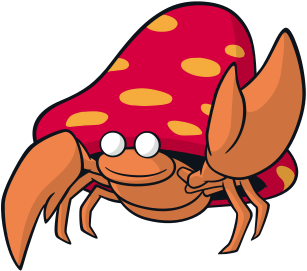
Parasek
EN Parasect · JP パラセクト · KR 파라섹트


Entwicklung
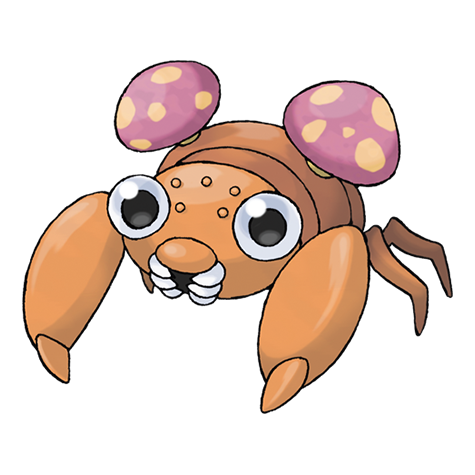
Freundschafts-Entwicklung
Spezial-Entwicklung
Basisdaten
Pokédex-Nummern
Alle Pokédex-Nummern
Kategorie
Ei-Gruppe
Pokédex-Eintrag
Mushroom-lacking specimens of this Pokémon lie unmoving in the forest, lending credence to the hypothesis that the large mushroom is in control of Parasect's actions.
Alle Pokédex-Einträge
Generation VIII
Mushroom-lacking specimens of this Pokémon lie unmoving in the forest, lending credence to the hypothesis that the large mushroom is in control of Parasect's actions. (EN)
Generation VII
Der Pilz auf Paraseks Rücken nutzt das Pokémon als Wirt und entzieht ihm Energie. Es scheint, als habe er die Kontrolle über das Pokémon.
Der Pilz auf seinem Rücken stößt Giftsporen aus. Kocht man ihn ab, lässt er sich als natürliches Heilmittel verwerten.
Parasek wird von dem Pilz auf seinen Rücken kontrolliert. Es ist oft mit Lamellux in Revierstreitigkeiten verstrickt.
Seine Giftsporen werden als natürliches Heilmittel verwendet, doch bei Parasek aus Alola ist die Qualität etwas minderwertig.
Der Pilz auf seinem Rücken ist sein wichtigstes Körperteil. Der Rest ist quasi leblos und kann sich ohne den Pilz nicht bewegen.
Generation VI
Parasek sucht große Bäume heim und entzieht Nährstoffe aus Stamm und Wurzeln. Wenn ein befallener Baum stirbt, sucht es sich zusammen mit seinen Artgenossen einen neuen Wirt.
Parasek wird von einem Pilz, der größer als das Pokémon ist, kontrolliert. Er gibt Giftsporen ab.
Je größer der Pilz auf seinem Rücken wird, desto stärker werden auch die Sporen, die es verteilt.
Generation V
Generation IV
A mushroom grown larger than the host’s body controls PARASECT. It scatters poisonous spores. (EN)
It stays mostly in dark, damp places, the preference not of the bug, but of the big mushroom on its back. (EN)
It is controlled by a mushroom grown larger than the bug body. It is said to prefer damp places. (EN)
The larger the mushroom on its back grows, the stronger the mushroom spores it scatters. (EN)
Generation III
A host-parasite pair in which the parasite mushroom has taken over the host bug. Prefers damp places. (EN)
It scatters toxic spores from the mushroom cap. In China, the spores are used as herbal medicine. (EN)
PARASECT is known to infest large trees en masse and drain nutrients from the lower trunk and roots. When an infested tree dies, they move onto another tree all at once. (EN)
PARASECT are known to infest the roots of large trees en masse and drain nutrients. When an infested tree dies, they move onto another tree all at once. (EN)
Generation II
It stays mostly in dark, damp places, the preference not of the bug, but of the big mush rooms on its back. (EN)
When nothing's left to extract from the bug, the mushrooms on its back leave spores on the bug's egg. (EN)
The larger the mushroom on its back grows, the stronger the mush room spores it scatters. (EN)
Generation I
The bug host is drained of energy by the mushrooms on its back. They appear to do all the thinking. (EN)
Beschreibung
Noch keine Beschreibung vorhanden.
Fundorte
Silberberg (1.OG)











Route 18




Azuria-Höhle (EG)
Azuria-Höhle (1.OG)

Azuria-Höhle (1.UG)
Safari-Zone (mitte)
Safari-Zone (Areal 1, Osten)
Safari-Zone Sumpf
Route 11
Freundschafts-Entwicklung
Attacken
Level-Up


TM / VM
Basiswerte
Veranlagung
Angriff · Verteidigung · Spezial-Verteidigung
Mögliche Rollen
Statrechner
EVs
510 / 510 übrig
DVs
Berechnete Werte
-
-
-
-
-
-
Typen-Effektivität
Erlittener Schaden nach Typ
Trivia
Noch keine Trivia-Daten vorhanden.
Anime
Noch keine Anime-Daten vorhanden.
Sammelkarten
2 Karten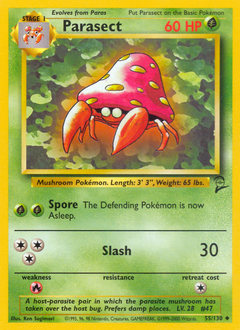
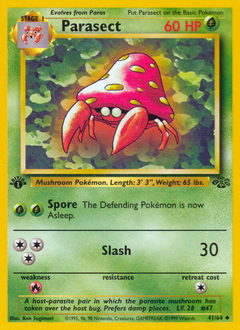
Bildergalerie
Offizielle Artworks
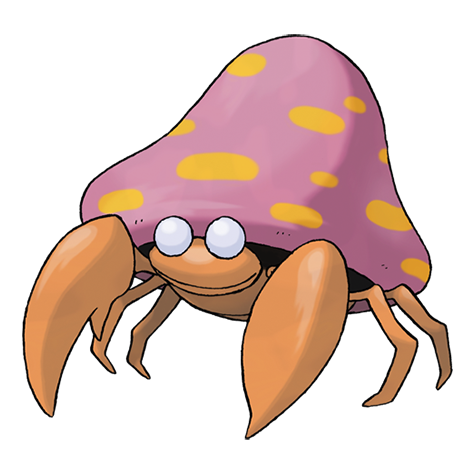
Normal
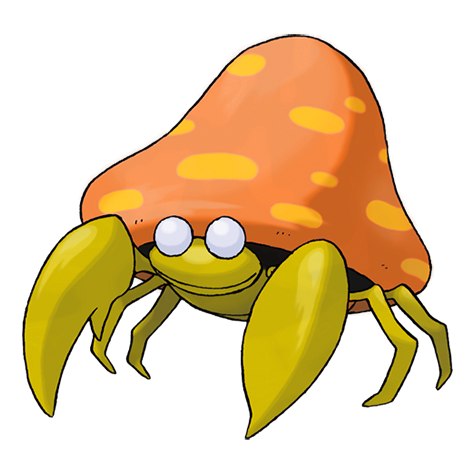
Shiny
Pokémon HOME
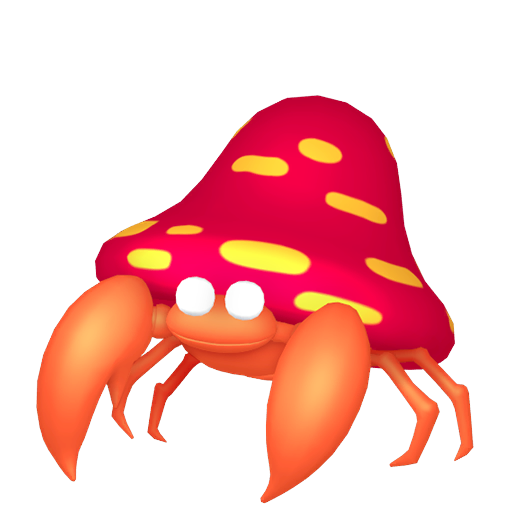
Normal

Shiny
Sprites

Normal

Shiny

Rückseite

Rücks. Shiny